
 BESTPRICY
iGenics buyer confidence
iGenics is a secondary option for readers seeking general nutritional vision support after appropriate eye care, but the incomplete label and limited finished-product evidence make it unsuitable as an answer to unexplained morning blur.
iGenics Buyer Confidence
7.9 /10How we calculated buyer confidence
This visual measures how much decision-useful buying information is documented, not whether a product is clinically effective. Every scored product passed a minimum publication gate with an authorised destination and saved research dossier, represented by a 7.2 baseline. Up to 2.8 additional points reflect Product Details, Evidence Clarity, Offer Value, Seller Clarity and Guarantee Terms. A higher score is not a medical rating or a promise of results.
iGenics: 7.9/10
Review basis: Evaluation uses the seller’s stated ingredients, package pricing and retailer information, plus National Eye Institute and FDA materials; no hands-on testing, laboratory analysis or medical review was performed.
- Product Details — 8.0/10
- The seller names 12 ingredients and several botanical components, but the reviewed page does not provide the complete Supplement Facts panel, serving size or ingredient amounts.
- Evidence Clarity — 7.8/10
- The seller describes ingredients as clinically backed and references AREDS2, but no product-specific clinical trial is provided and AREDS2 evidence does not automatically validate this formula.
- Offer Value — 8.3/10
- Listed pricing ranges from $59 for one bottle to $39 per bottle in a six-bottle package, but the usefulness-to-cost judgment is limited because the formula and finished-product evidence are incomplete.
- Seller Clarity — 8.0/10
- The page identifies the product category, seller claims, ClickBank retailer and a U.S. return address, but it omits the complete label and leaves safety, dosage and billing details insufficiently clear.
- Guarantee Terms — 7.5/10
- A clear refund period and detailed returns process are not stated on the reviewed official sales page, so practical refund clarity is low.
Vision health guide
Blurry vision on waking is commonly linked to temporary changes that happen while you sleep, especially dryness or an uneven tear film. However, the symptom should not be automatically dismissed: persistent or sudden changes can need an eye examination.
What can cause blurry vision in the morning?
Common possibilities include dry eyes, contact lenses worn too long, overnight swelling of the cornea, mucus or residue on the eye surface, and changes in blood sugar. Less common but important causes include corneal disease, cataracts, glaucoma, retinal problems or other conditions that require professional assessment. The pattern, duration and accompanying symptoms matter more than the time of day alone.
Why can vision look blurred after sleeping?
During sleep, the eyes remain closed and the tear film can become uneven. Mild dryness or residue may make the surface of the eye less optically smooth when you first open your eyes. Vision may improve after blinking, washing the face or being awake for a short time.
Other factors can also contribute. Sleeping in contact lenses can reduce oxygen reaching the cornea and increase the risk of complications. Overnight fluid shifts may temporarily affect the cornea, while blood sugar changes can alter the shape of the lens and affect focusing. These explanations are possibilities, not a diagnosis.
What symptoms should you notice?
Track whether the blur affects one eye or both, how long it lasts, whether it clears with blinking, and whether it is accompanied by redness, discharge, pain, light sensitivity, halos, headache, flashes or floaters. Also note any new medication, contact-lens use, recent eye injury or diagnosed health condition.
| Pattern | Why it matters | Practical response |
|---|---|---|
| Brief blur that clears after blinking | May fit a temporary tear-film or surface issue. | Arrange routine care if it keeps returning or becomes more noticeable. |
| Blur that lasts, recurs frequently or affects daily tasks | Needs assessment rather than repeated self-treatment. | Schedule an eye examination. |
| Sudden, one-sided or rapidly worsening blur | Can signal a time-sensitive eye or neurological problem. | Seek prompt medical or eye-care evaluation. |
When is morning blurry vision an emergency?
Seek urgent care for sudden vision loss, a curtain-like shadow, new flashes with many floaters, severe eye pain, marked redness, significant light sensitivity, injury-related changes, or vision changes with weakness, facial drooping, confusion or trouble speaking. Do not wait for a supplement or home measure to resolve these symptoms.
Prompt evaluation is also sensible when blur is persistent, clearly worsening, limited to one eye, associated with headaches or halos, or occurring in someone with diabetes or a known eye condition.
What can you do next?
- Remove contact lenses if they are causing discomfort, and do not sleep in lenses unless specifically directed by an eye-care professional.
- Notice whether blinking changes the blur, but do not use improvement as proof that the cause is harmless.
- Arrange an eye examination when symptoms persist, recur or interfere with reading, driving or other tasks.
- Bring a list of medications and supplements to the appointment.
- Do not use someone else’s prescription eye drops or delay care while trying a dietary supplement.
Can an eye supplement help with morning blurry vision?
A dietary supplement is not a general treatment for blurry vision and cannot identify whether the cause is dryness, a refractive issue, retinal disease, glaucoma or another problem. Evidence for AREDS2 applies to a specific formulation and people with qualifying stages of age-related macular degeneration; it does not automatically apply to every vision-support product or to temporary morning blur.
For readers exploring nutritional support after addressing the symptom with an eye-care professional, iGenics is marketed as a plant-based vision-support capsule. The seller names ingredients such as ginkgo biloba, bilberry, saffron, turmeric with BioPerine and ingredients associated with AREDS2. The reviewed sales page claims 12 ingredients but does not provide the complete Supplement Facts panel or ingredient amounts, and product-specific clinical evidence is not presented.
What to check before considering iGenics
- Request or review the current complete Supplement Facts panel and dosages.
- Do not treat the seller’s AREDS2-style wording as proof that the product matches the studied AREDS2 formula.
- Ask a clinician or pharmacist about possible medication or condition-related interactions, especially before use during pregnancy, nursing or prescription treatment.
- The seller lists prices from $59 for one bottle to $39 per bottle in a six-bottle package, but prices may change.
- A clear refund period was not stated on the reviewed official sales page, so confirm written terms before ordering.
How should you decide whether to try a product?
First determine whether the symptom needs clinical evaluation. If an eye-care professional has addressed the cause and you still want general nutritional support, compare products using the same criteria: a complete label, disclosed amounts, relevant evidence, safety information, total cost and clear refund terms. FDA does not approve dietary supplements for safety or effectiveness before sale, so marketing language should not substitute for label review or medical guidance.
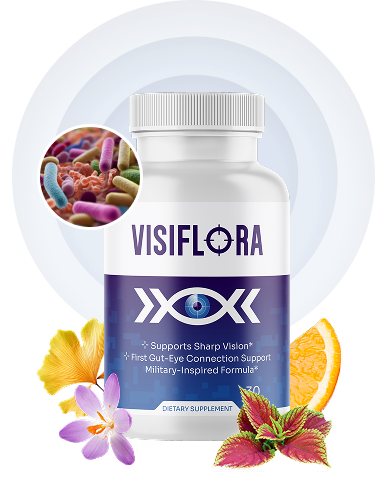
VisiFlora is another seller-marketed vision supplement that lists a 22-ingredient blend and one-capsule-daily use, but the saved product information also lacks full per-ingredient amounts. Its seller lists a 60-day money-back guarantee with bottle returns required, while its page contains inconsistent retailer and billing references. Those details make it a comparison option, not a reason to postpone an eye examination.
Bottom line: what is the safest next step?
If your morning blur is brief and occasional, note the pattern and arrange routine eye care if it continues. If it is sudden, painful, one-sided, worsening or paired with neurological or retinal warning signs, seek prompt care. Only after the cause and safety questions are addressed should an eye supplement become a secondary purchasing decision.
Sources and evidence boundaries
- National Eye Institute information on the AREDS and AREDS2 clinical trials.
- U.S. Food and Drug Administration guidance on dietary supplements.
- Seller information for iGenics and VisiFlora, including their stated formulas, prices and terms.
This article provides general educational information, not a diagnosis or treatment plan. Sudden or worsening vision changes require professional evaluation.
Related product options
Compare these researched options by label transparency, evidence, total cost and current terms before choosing.
Frequently asked questions
Is blurry vision in the morning always caused by dry eyes?
No. Dryness and tear-film changes are possible causes, but persistent, one-sided, painful or worsening blur can have other causes and should be assessed.
Should I wait for morning blurry vision to clear?
Do not wait if the change is sudden, severe, painful, one-sided or accompanied by flashes, a curtain-like shadow, weakness or trouble speaking. Seek urgent care.
Can eye vitamins fix blurry vision?
No supplement can be assumed to fix blurry vision. Supplements do not replace an eye examination, diagnosis or prescribed treatment.
Does AREDS2 apply to every eye supplement?
No. AREDS2 evidence applies to a specific studied formulation and qualifying patients with age-related macular degeneration, not automatically to other products.
What should I check before buying iGenics?
Check the complete Supplement Facts panel, ingredient amounts, safety guidance, product-specific evidence, total cost and written refund terms. The reviewed sales page did not provide all of these details.
Sources reviewed
- AREDS/AREDS2 Clinical Trials — National Eye Institute
- FDA 101: Dietary Supplements
- iGenics official sales page
- VisiFlora official presentation page
Bestpricy may earn a commission if you purchase through a product reference. This does not change the evidence limits, safety guidance or editorial assessment.