
 BESTPRICY
Gluco6 buyer confidence
Gluco6 is a relevant but limited-context option for adults researching glucose-metabolism supplements, not a demonstrated explanation or treatment for fatigue after caffeine.
Gluco6 Buyer Confidence
8.2 /10How we calculated buyer confidence
This visual measures how much decision-useful buying information is documented, not whether a product is clinically effective. Every scored product passed a minimum publication gate with an authorised destination and saved research dossier, represented by a 7.2 baseline. Up to 2.8 additional points reflect Product Details, Evidence Clarity, Offer Value, Seller Clarity and Guarantee Terms. A higher score is not a medical rating or a promise of results.
Gluco6: 8.2/10
Review basis: Evaluated from the official sales-page information, seller FAQ and supplied FDA and NIH materials; no hands-on testing, laboratory analysis, medical review or personal use was performed.
- Product Details — 8.0/10
- The page names six ingredients and describes a capsule, but it does not show ingredient amounts, extract standardization or a complete Supplement Facts panel in the available text.
- Evidence Clarity — 7.8/10
- The reviewed materials include general guidance and ingredient-level context, but they do not establish an independent clinical trial of the finished Gluco6 formula or evidence that it improves post-caffeine fatigue.
- Offer Value — 8.3/10
- Displayed package prices range from $39 to $69 per bottle before considering the different package sizes and shipping terms, while the missing doses and limited finished-product evidence make usefulness difficult to judge against simpler alternatives.
- Seller Clarity — 8.3/10
- The official page provides a product name, six ingredient names, usage, pricing and seller terms, but the absent amounts, incomplete manufacturer details and seller-only quality claims materially limit transparency.
- Guarantee Terms — 8.6/10
- The seller states a 60-day money-back guarantee, but the page describes unused-bottle and shipping or handling conditions inconsistently, so buyers should confirm the current return policy before purchase.
Short answer: You may feel tired after caffeine because caffeine only blocks some sleepiness signals for a limited time. Sleep debt, tolerance, an energy dip, dehydration, insufficient food, caffeine withdrawal or an unrelated health problem can still leave you fatigued.
Caffeine can make you feel more alert, but it does not replace restorative sleep or correct every reason for low energy. The useful first step is to look at the pattern: how much caffeine you use, when you use it, how well you sleep, whether you eat and drink regularly, and whether the tiredness happens only after caffeine or throughout the day.
Safety note: Persistent fatigue is not something to diagnose from a supplement article. Do not use caffeine or a dietary supplement to mask symptoms that need medical attention.
Why can caffeine make me feel tired?
Several ordinary factors can explain tiredness after coffee, tea, energy drinks or another caffeinated product. More than one may be present at the same time.
Sleep debt may be stronger than the stimulant effect
Caffeine can temporarily increase alertness, but it does not repay missed sleep. If you are routinely sleeping too little, sleeping poorly or waking frequently, you may still feel tired after caffeine. A short-lived lift can also fade and make the underlying fatigue more noticeable.
Tolerance can reduce the noticeable effect
Regular caffeine use can make the same amount feel less effective. Increasing the dose may then provide diminishing returns while increasing the chance of shakiness, sleep disruption or other unwanted effects. The amount of caffeine in coffee and other drinks also varies, so a familiar routine may not deliver a consistent dose.
Timing can overlap with a natural energy dip
Many people experience predictable changes in alertness during the day. If caffeine is taken during a normal afternoon dip, it may not eliminate tiredness. Caffeine taken too late can also interfere with nighttime sleep, creating a cycle of poorer sleep and more daytime fatigue.
Food, fluids and the rest of the routine matter
Going a long time without eating, drinking too little fluid, exercising heavily or consuming a large amount of caffeine quickly can affect how you feel. These factors do not prove a blood-sugar problem, but they are practical parts of the pattern to review.
Withdrawal or inconsistent use may be involved
If you use caffeine irregularly or reduce it suddenly, headache, tiredness and difficulty concentrating can occur. Alternating between high and low intake can make it harder to tell whether caffeine is helping or whether withdrawal is contributing to the crash.
An unrelated health issue may be causing fatigue
Fatigue can have many possible causes, including medication effects, mood-related concerns, sleep disorders and medical conditions. Feeling tired after caffeine does not by itself identify the cause, and a supplement marketed for metabolism or blood-sugar support should not be treated as a diagnostic tool.
What should you track before changing your routine?
A simple record for several days can make the next decision more practical. Note:
- When you sleep, wake and experience interruptions.
- What caffeinated drinks or products you use, including approximate timing and amount.
- When tiredness begins and how long it lasts.
- Whether you ate, exercised or drank fluids before the episode.
- Other symptoms, recent routine changes and any medicines or supplements.
This record cannot diagnose the problem, but it can reveal whether the pattern follows late caffeine, inadequate sleep, skipped meals, inconsistent intake or a broader issue.
What practical steps may help?
- Protect sleep first. Keep a consistent sleep schedule and avoid using late caffeine if it appears to affect bedtime or sleep quality.
- Review the total caffeine load. Include coffee, tea, energy drinks, pre-workout products and supplements. Avoid repeatedly increasing the dose to chase alertness.
- Change gradually when appropriate. If you decide to reduce regular caffeine, a gradual reduction may be easier than an abrupt change.
- Keep meals and hydration consistent. Regular food and fluids may help distinguish a routine-related energy dip from persistent fatigue.
- Evaluate the pattern, not one day. Occasional tiredness is different from fatigue that is frequent, worsening or interfering with normal activities.
When should you speak with a health professional?
Arrange professional guidance if fatigue persists, repeatedly disrupts work or daily activities, or occurs despite adequate sleep and a stable routine. Seek prompt medical help for severe or sudden symptoms, fainting, chest pain, shortness of breath, confusion, unusual weakness or other urgent concerns.
If you take prescription medicines, manage diabetes or another medical condition, are pregnant or nursing, or are considering a supplement, discuss the complete product label and your personal situation with a qualified health professional.
Could a metabolic supplement address tiredness after caffeine?
Products marketed for glucose metabolism or weight management are not established explanations or treatments for post-caffeine fatigue. Their relevance depends on your actual goal and on the quality of the product information, not on the fact that you feel tired.
Gluco6: what the documented information says
Gluco6 is a capsule dietary supplement marketed in the United States for glucose-metabolism, blood-sugar and weight-management support. Its official page lists Sukre, TeaCrine, gymnema, chromium, cinnamon and green tea, and states a suggested use of one capsule in the morning before breakfast with water.
The important limitation is label transparency: the available official-page text does not show ingredient amounts, extract standardization or a complete Supplement Facts panel. The seller’s claims about healthy blood sugar, glucose spikes, fat burning and weight loss are seller claims, not proof that the finished formula improves fatigue or treats a health condition. The reviewed materials also do not establish an independent clinical trial of the finished product.
Chromium deserves particular caution. The NIH Office of Dietary Supplements reports mixed evidence for chromium supplements in diabetes, notes that the American Diabetes Association does not recommend chromium supplements for diabetes because benefits are unclear, and describes potential interactions with insulin, metformin and other diabetes medicines. FDA guidance states that dietary supplements are not approved for safety or effectiveness before sale and should not replace prescribed treatment.
What may appeal to some buyers
- Capsule format and seller-described once-daily use.
- Six named ingredients are listed on the official page.
- The seller states there is no auto-ship or subscription fee.
Reasons to be cautious
- Ingredient amounts and a complete Supplement Facts panel are not shown in the available page text.
- Finished-product clinical evidence is not established in the reviewed materials.
- Potential interactions matter, especially for people taking diabetes medicines.
- Seller claims about weight loss and glucose outcomes should not be treated as expected results.
Other options depend on the goal
If your main goal is alertness, start with sleep, caffeine timing and routine factors rather than a metabolism supplement. If your concern is diagnosed diabetes, suspected blood-sugar changes or persistent fatigue, medical evaluation is more appropriate than self-treating with a supplement. If your goal is general weight management, compare food, activity, sleep and clinician-guided options alongside any supplement consideration.
How this article reached its conclusion
The explanation above separates common practical possibilities from medical diagnosis. The product discussion uses the Gluco6 official sales information, FDA dietary-supplement guidance and the NIH chromium fact sheet. Ingredient names and seller-stated usage and pricing were treated as documented page information; seller claims were not treated as independent evidence. No hands-on testing, laboratory analysis, medical review or personal use was performed.
Next step: Keep a short sleep-and-caffeine record, then use it to decide whether a routine adjustment or professional evaluation makes more sense before considering a supplement.
Sources and evidence boundaries
- Gluco6 official website: product description, listed ingredients, usage, offer and seller claims.
- FDA, “FDA 101: Dietary Supplements”: regulation and premarket-approval guidance.
- NIH Office of Dietary Supplements, “Chromium Fact Sheet for Consumers”: evidence and medication-interaction information.
Important limitation: Feeling tired after caffeine has many possible explanations. This article provides general information and does not diagnose, treat, cure or prevent any disease.
Related product options
Compare these researched options by label transparency, evidence, total cost and current terms before choosing.

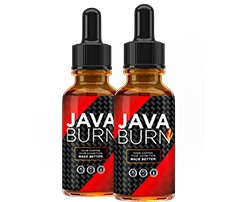
Ikaria Lean Belly Juice
Frequently asked questions
Why am I tired after caffeine instead of feeling energized?
Caffeine may not overcome sleep debt, tolerance, poor timing, dehydration, inadequate food intake or another cause of fatigue. Its effect can also fade while the underlying tiredness remains.
Can caffeine cause an energy crash?
A perceived crash can follow a temporary stimulant effect, but sleep loss, inconsistent caffeine use, skipped meals and normal daily energy changes may also contribute.
Should I drink more caffeine if I am still tired?
Increasing caffeine is not always helpful and may worsen sleep or other symptoms. Review your total intake, timing and sleep first, and seek professional guidance if fatigue persists.
Does tiredness after caffeine mean I have a blood-sugar problem?
No. Tiredness after caffeine does not identify a blood-sugar disorder. Persistent or concerning symptoms should be assessed by a qualified health professional.
Is Gluco6 a treatment for fatigue or diabetes?
No. Gluco6 is marketed as a dietary supplement for glucose-metabolism and weight-management support. It should not replace medical care or prescribed diabetes medication.
What should I check before considering Gluco6?
Check the current Supplement Facts panel, ingredient amounts, seller terms, total cost and refund conditions. Ask a health professional about interactions, particularly if you take diabetes medicines or manage a medical condition.
Sources reviewed
- Gluco6 Official Website
- FDA 101: Dietary Supplements
- Chromium Fact Sheet for Consumers
Bestpricy may earn a commission if you purchase through a product option. This does not change the article’s evidence limits, safety guidance or conclusions.