
 BESTPRICY
Educational comparison
People comparing audio with brain-training apps are usually choosing between a low-effort listening routine and a more active digital exercise. That distinction matters more than broad promises about “brainwaves” or sharper thinking.
Short answer
Audio is generally the simpler option: press play, follow the stated routine and judge whether it fits your habits. Brain-training apps demand more participation and may offer exercises, scores or progress records. Current evidence does not justify treating either commercial format as a guaranteed way to improve focus or memory. For persistent or worsening symptoms, professional evaluation is the more appropriate next step.
What to keep in mind
- Convenience can improve adherence, but it does not prove effectiveness.
- A measurable response to a sound stimulus is not the same as a demonstrated improvement in everyday cognition.
- Compare access, device needs, privacy, cost, refund terms and the amount of active effort required.
What is the difference between focus audio and a brain-training app?
Focus audio is a passive or mostly passive digital routine. It may use music, guided instruction, repetitive tones, binaural beats or another sound design. The listener typically uses a phone, computer, headphones or speakers for a stated period.
A brain-training app is interactive. It may present memory, attention, reaction-time or problem-solving exercises and can sometimes record completion or performance within the app. That creates a different experience: the user is practicing tasks rather than simply listening.
Neither description establishes quality on its own. An audio product can be convenient but poorly documented; an app can be engaging but still have uncertain transfer to work, study or everyday memory. The relevant question is whether the product provides clear information and a realistic fit for your goal.
Why the format matters
The format affects how much effort a routine requires and what kind of information you can evaluate.
| Criterion | Focus audio | Brain-training app |
|---|---|---|
| Interaction | Usually passive listening | Active exercises and responses |
| Progress records | Often absent or limited | May include scores, streaks or completion history |
| Time commitment | Can be brief, but the actual session length varies | Depends on exercise length and program design |
| Device needs | Audio-capable device; headphone requirements may be unclear | Compatible phone, tablet or computer and app access |
| Evidence question | Does the specific audio produce the claimed outcome? | Do the exercises improve trained tasks or everyday functioning? |
| Main limitation | Product specifications and outcomes may be poorly documented | Performance inside an app may not transfer to daily life |
How to compare the main options
1. Passive audio programs
Audio may appeal to people who want a short, private routine without completing exercises. The trade-off is that listening is easy to start but difficult to evaluate objectively. Check the stated session length, audio method, file format, headphone or stereo requirements, delivery method and access duration.
Some products use gamma-frequency or binaural-beat language. Research has shown that specially constructed sounds can produce measurable neural or auditory steady-state responses in research settings. Reviews also report varied methods and mixed or insufficient evidence for assuming improved memory or cognition from one commercial track.
2. Brain-training apps
Interactive apps provide a clearer activity structure. They may be preferable if you want exercises, immediate task feedback or a record of use. However, an improved score on a repeated in-app task does not automatically demonstrate better concentration in school, work or daily life.
Before subscribing or purchasing, check the billing model, trial terms, cancellation process, privacy policy, data collection, supported devices and whether the program is usable without an ongoing payment. These details can matter as much as the exercise catalogue.
3. Meditation and focus audio
Guided meditation, breathing exercises, ambient sound and ordinary concentration playlists are alternatives when the goal is to create a calmer work routine or reduce distractions. They do not need to make a medical or neurological claim to be useful as habit supports.
Their likely value is practical: helping you begin a defined session, reduce interruptions or establish a transition into study. That is different from claiming that a particular frequency improves memory or prevents cognitive decline.
4. Productivity tools and everyday habits
Timers, website blockers, written task lists, sleep regularity, physical activity and a quieter workspace can address common sources of distraction directly. These approaches may be less novel than brain audio or an app, but they are often easier to measure in daily life: Did you complete a planned work block? Did interruptions decrease? Did your schedule become more consistent?
If concentration changes are new, persistent or worsening, consider sleep problems, medication effects, hearing difficulties, mood, stress and other possible contributors with a qualified professional. A digital product cannot determine the cause.
A needs-based decision guide
- Choose audio first if: you want a low-effort routine, already tolerate listening well and accept that product-specific outcomes are uncertain.
- Choose an interactive app if: exercises, feedback and activity records matter more than passive use, and you have checked billing and privacy terms.
- Choose meditation or ordinary focus audio if: your immediate goal is a calmer, more structured work session rather than a claim about cognitive enhancement.
- Prioritize professional evaluation if: memory or attention changes are significant, worsening, interfere with daily life or concern you or someone close to you.
Three audio products to compare
The products below are included because they represent different formats and clearly stated offer details. The comparison is not a ranking, and the available material does not establish that any of them improves focus or memory.
| Product | Documented format | Advertised offer | Important buyer checks |
|---|---|---|---|
| The Brain Song | 12-minute digital audio program for recurring listening | $39 digital offer and 90-day refund window stated on the current seller pages | Exact frequencies, track format, device and headphone requirements, and product-specific evidence |
| Neuro Energizer | Digital audio program; seller advertises a 7-second daily track and headphone use with a phone or computer | $39 one-time price and 60-day money-back guarantee stated on the official sales page | Exact audio specifications, platform compatibility, detailed refund conditions and product-specific evidence |
| The Memory Wave | 12-minute digital audio session; seller says it can be used from any device | $39 displayed and a 90-day money-back guarantee stated; terms apply | Exact method, frequencies, file format, headphone requirements, support and detailed refund procedure |
What the research does—and does not—show
Auditory gamma stimulation and binaural beats are legitimate research topics. Studies can measure responses to particular sound designs, and reviews have examined possible effects on attention, memory or cognitive decline. But general research is not a clinical trial of The Brain Song, Neuro Energizer or The Memory Wave.
The current product materials do not include a product-specific randomized trial for these offers. The FTC’s health-products guidance also distinguishes relevant, competent evidence for a particular claim from general research, testimonials or research on a different intervention.
What to check before buying any digital audio product
- Delivery: Is access by download, email, browser or account? How long does access last?
- Technical requirements: What device, operating system, file type, volume and headphone arrangement are required?
- Billing: Is the displayed price current? Is it a one-time payment or subscription? Are taxes or other charges shown at checkout?
- Refunds: What is the exact window, process and eligibility requirement?
- Privacy and support: Who handles customer support, and what personal or usage data is collected?
- Evidence: Is there a product-specific study with a clear method, sample, comparison group and measured outcome?
Limitations and sensible precautions
- The Brain Song seller page confirms a 12-minute format, $39 price and a 90-day digital refund window, but not the exact technical audio specifications.
- Current commercial terms do not establish product-specific effectiveness.
- Seller claims about gamma activity, BDNF, neuroplasticity, focus, memory or mental clarity should not be treated as established product outcomes.
- Stop listening if audio causes discomfort, headache, dizziness, agitation or another unusual reaction.
- People with sound sensitivity, severe migraine, a seizure history or another relevant condition should obtain qualified medical advice before using stimulating audio.
- Do not use a focus-audio product as a substitute for assessment of new or worsening memory or cognitive symptoms.
Optional products to investigate
If you are specifically comparing commercial audio routines, these three products provide different practical starting points. Review the live seller terms rather than relying on older indexed claims.
The Brain Song
A seller-marketed digital audio program positioned around gamma-frequency sound and brief daily listening. The current page presents a 12-minute digital routine for $39 with a 90-day refund window; technical specifications and outcome evidence remain limited.
Neuro Energizer
The official page describes a digital audio program with a seller-advertised 7-second daily listening routine, a stated $39 one-time price and a stated 60-day money-back guarantee. These offer details should be confirmed at checkout, and the performance claims remain seller claims.
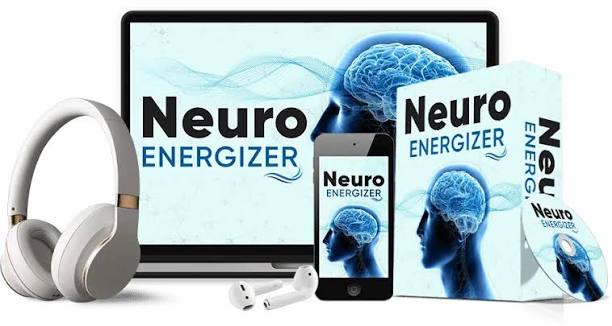
Neuro Energizer
The Memory Wave
The official page presents a 12-minute digital audio session, displays $39 and states a 90-day money-back guarantee with terms applying. Exact audio specifications and product-specific efficacy evidence are not disclosed in the current product information.
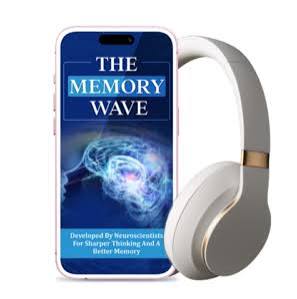
The Memory Wave
A practical next step
Write down the outcome you actually want—such as completing one uninterrupted work block—and choose the least complicated method that can be evaluated honestly. If you investigate a commercial audio product, verify access, billing, refund and technical terms first. The related Bestpricy comparison destination is pending and will be added when available.
Sources and evidence notes
- current official seller materials for The Brain Song, Neuro Energizer and The Memory Wave.
- Efficacy of auditory gamma stimulation for cognitive decline: systematic review.
- Gamma music: a new acoustic stimulus for gamma-frequency auditory steady-state response.
- Binaural beats systematic review and meta-analysis literature.
- U.S. Federal Trade Commission, Health Products Compliance Guidance and health-claims guidance.
Frequently asked questions
Is audio better than a brain-training app for focus?
Not universally. Audio requires less effort, while an app offers active exercises and may provide progress records. The better fit depends on whether you value convenience, interaction and tracking, and neither format should be treated as a guaranteed cognitive treatment.
Can binaural beats or gamma audio improve memory?
Research has found measurable responses to some sound stimuli, but reviews report mixed or variable findings. That general evidence does not prove that a particular commercial audio product improves memory.
Are brain-training apps proven to improve everyday concentration?
An app may improve performance on the tasks it repeatedly trains, but that does not automatically transfer to work, study or daily memory. Check whether the provider supplies relevant evidence rather than relying on scores or testimonials.
What should I verify before buying digital focus audio?
Check the delivery method, access duration, device and headphone requirements, current price, billing model, refund process, privacy terms and customer support. Also look for product-specific evidence.
When should focus or memory concerns be medically evaluated?
Seek qualified medical advice for new, persistent, worsening or functionally disruptive changes, rather than relying on audio or an app to identify or treat the cause.
This article contains affiliate product cards. Bestpricy may earn a commission if you purchase through an authorized product destination. The comparison is informational, and affiliate availability does not establish product effectiveness or medical suitability.