
 BESTPRICY
What can cause frequent urination at night after 50?
Frequent nighttime urination, sometimes called nocturia, means waking to urinate during the night. In men over 50, it may be influenced by evening fluid intake, sleep problems, medicines, bladder function, or prostate and urinary-tract changes. The symptom does not prove that an enlarged prostate is the cause, and a supplement should not replace an evaluation when the problem persists.
A practical first step is to record when you drink, when you urinate, how often you wake, whether the stream has changed, and whether you notice pain, urgency, leakage, or blood. That record gives a clinician more useful information than choosing a product based only on an advertisement.
Key points to keep in mind
- Nighttime urination can have several causes, including factors unrelated to the prostate.
- Persistent, bothersome, or changing symptoms merit professional assessment.
- Supplements marketed for prostate wellness vary substantially in label detail and evidence.
- Ingredient research is not the same as a clinical study of a finished product.
Why is nighttime urination more common as men age?
Aging can coincide with changes in urinary function, sleep, fluid balance, and medication use. Some men also develop lower urinary-tract symptoms associated with prostate enlargement, such as a weaker stream, hesitancy, urgency, or a feeling that the bladder has not fully emptied. However, nighttime urination may also occur with sleep disruption or other health factors. It is therefore better viewed as a symptom to understand than as a diagnosis.
Which factors are worth checking first?
Evening fluids, caffeine, and alcohol
Large amounts of fluid close to bedtime can increase nighttime trips. Caffeinated or alcoholic drinks may also affect urinary patterns or sleep. A short diary can show whether timing, rather than total daily intake, appears relevant. Avoid making major fluid restrictions without professional advice, particularly if you have been told to maintain hydration.
Sleep disruption
Some people wake for another reason and then urinate because they are already awake. Snoring, interrupted breathing, insomnia, and other sleep concerns can make the pattern more complicated. If waking occurs before the urge to urinate, mention that distinction during a medical visit.
Medicines and medical conditions
Some medicines influence urination or fluid movement. Diabetes and other conditions may also affect thirst, urine production, or bladder symptoms. Anyone taking prescription medicines or managing a medical condition should discuss a persistent change with a qualified healthcare professional rather than adding a botanical product without review.
Prostate and lower urinary-tract symptoms
Prostate-related urinary symptoms can include weak flow, difficulty starting, urgency, or incomplete emptying in addition to nighttime urination. These symptoms can overlap with other conditions, so marketing language about “prostate support” should not be used to self-diagnose benign prostatic hyperplasia, prostatitis, urinary retention, or another condition.
When should nighttime urination be checked promptly?
Seek medical care for blood in the urine, inability to urinate, fever, severe pain, or persistent or worsening urinary symptoms. A supplement is not an appropriate substitute for evaluation of these warning signs.
Even without an emergency warning sign, repeated waking that affects sleep, daytime function, or quality of life is a reasonable reason to arrange an appointment. Bring a medication and supplement list, symptom timeline, and bladder diary if possible.
What should you look for in a prostate-health supplement?
If you are considering a nonprescription product after addressing the symptom itself, compare the following:
- Complete labeling: Look for the full ingredient list, serving size, amounts, and standardized extract details where relevant.
- Product-specific evidence: Studies of an ingredient do not prove that a particular blend works, especially when doses and extract forms differ.
- Safety information: Check for interaction warnings and discuss the label with a clinician or pharmacist if you take medicines or have a condition.
- Purchase terms: Confirm the total price, shipping, package size, refund requirements, and seller identity before ordering.
- Realistic positioning: A wellness supplement should not be presented as a treatment, cure, or way to postpone needed care.
What does the evidence say about common prostate ingredients?
The National Center for Complementary and Integrative Health reports that evidence for saw palmetto in urinary symptoms related to benign prostatic hyperplasia is mixed. A 2023 review found little or no benefit when saw palmetto was used alone. NCCIH also describes limited evidence for standardized pygeum preparations, while noting small studies, short durations, and varied formulations.
These findings support a careful distinction: ingredient-level research may help explain why an ingredient appears in marketing, but it does not establish the effectiveness or safety of an entire commercial formula. Dietary supplements are not FDA-approved for safety or effectiveness before sale.
Where does Prosta Peak fit?
Prosta Peak is a seller-marketed prostate-health dietary supplement in capsule form. Its sales page describes a proprietary blend of more than 20 plants and nutrients and lists cat’s claw, green tea, pygeum, raspberry, soursop, and saw palmetto. The seller describes it as natural, non-stimulant, and non-habit forming.
The most important limitation is label transparency: the page does not provide a complete quantified Supplement Facts panel, clear serving-size details, exact ingredient amounts, or standardized extract specifications. No product-specific randomized clinical trial or independent certificate of analysis is documented in the saved product materials. The seller’s references about prostate topics and ingredients do not establish that the finished Prosta Peak formula reduces nighttime urination.
Potential advantages and limitations of Prosta Peak
- Capsule format may suit buyers who prefer a daily supplement rather than a powder.
- The seller lists several botanicals commonly associated with prostate-health marketing, including saw palmetto and pygeum.
- The seller states that the product is made in the United States from domestic and foreign ingredients.
- The seller advertises a 180-day money-back guarantee.
- The proprietary blend prevents meaningful evaluation of individual doses.
- The finished product does not have documented product-specific clinical evidence in the available materials.
- Exact daily serving instructions are not clearly documented on the sales page.
- Detailed return instructions, manufacturer identity, and independent testing documentation are not provided in the page text.
What are the documented package and refund terms?
| Package | Listed price | Seller-described details |
|---|---|---|
| 2 bottles | $158 total, or $79 per bottle | Shipping added; described as a 60-day supply |
| 3 bottles | $207 total, or $69 per bottle | Free shipping and two digital bonuses; described as a 90-day supply |
| 6 bottles | $294 total, or $49 per bottle | Free shipping and two digital bonuses; described as a 180-day supply |
The seller says there is no auto-ship subscription or hidden charge and claims a 180-day, 100% money-back guarantee. The page states that unused product must be returned for a full refund, but the detailed return address and process are not documented in the page text. Confirm the current checkout total and return instructions before purchasing.
Who might consider Prosta Peak, and who should skip it?
It may be relevant for: adults seeking general prostate-wellness information who understand that the product is a seller-marketed supplement, are willing to review the current label, and do not intend to use it as treatment for urinary symptoms.
Skip self-directed use and seek professional guidance if: you have blood in the urine, inability to urinate, fever, severe pain, persistent or worsening symptoms, a diagnosed prostate or urinary condition, a planned surgery, or medicines that could interact with botanicals. The product should also be avoided by anyone with an allergy to an ingredient that may be undisclosed.
What alternatives should you compare?
A simpler saw palmetto product may make the ingredient and dose easier to assess, but NCCIH describes the evidence for saw palmetto alone as mixed. A pygeum product may offer a narrower formula, yet evidence remains limited and depends on the preparation and dose. For persistent or bothersome urinary symptoms, clinician-directed evaluation and established treatment options should be compared before a supplement.
For a broader look at ingredient transparency, package terms, and other researched options, see Prostate Supplements Reviews.
What is the most useful next step?
Keep a short nighttime-urination and fluid diary, review your medicines with a healthcare professional, and only then compare any supplement by its complete label, evidence boundaries, safety information, price, and return process. That sequence helps you address the symptom before deciding whether a wellness product belongs in your routine.
Related product options
Compare these researched options by label transparency, evidence, total cost and current terms before choosing.
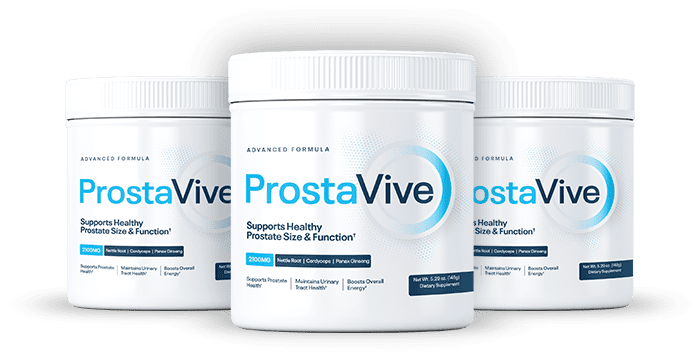
ProstaVive
Frequently asked questions
Is frequent urination at night normal for men over 50?
It can become more common with age, but repeated or bothersome nighttime urination is not automatically harmless. Several causes are possible, so persistent symptoms deserve professional discussion.
Does nighttime urination always mean an enlarged prostate?
No. Fluid timing, sleep disruption, medicines, bladder changes, and other health factors can contribute. Nighttime urination alone cannot identify the cause.
Can a prostate supplement stop nighttime urination?
There is no basis here for promising that result. Ingredient evidence does not establish that a particular finished supplement will reduce nighttime urination.
What is Prosta Peak?
Prosta Peak is a seller-marketed capsule dietary supplement positioned for general prostate-health support. Its sales page describes a proprietary blend but does not provide complete ingredient amounts.
Is Prosta Peak FDA-approved?
No dietary supplement is FDA-approved for safety or effectiveness before sale. Prosta Peak's own disclaimer says its claims have not been evaluated by the FDA.
When should a man seek urgent care for urinary symptoms?
Blood in the urine, inability to urinate, fever, severe pain, or persistent worsening symptoms warrant prompt medical attention.
Sources reviewed
- Prosta Peak official sales page
- FDA 101: Dietary Supplements
- FDA: Mixing Medications and Dietary Supplements Can Endanger Your Health
- NCCIH: Saw Palmetto—Usefulness and Safety
- NCCIH: BPH and Complementary and Integrative Approaches
- NCCIH: Tips for Complementary Health Approaches for BPH
Bestpricy may earn a commission if you purchase through a product card. This article separates seller claims from documented evidence and does not replace medical advice.