
 BESTPRICY
Having a familiar name “on the tip of your tongue” is common. The useful question is whether it happens occasionally during distraction or stress, or whether it is part of a broader change in memory, language, judgment or daily functioning.
Why can a familiar person’s name suddenly disappear?
Names are especially easy to miss because they are often arbitrary labels rather than meaningful descriptions. You may recognize the person, remember where you met them and know facts about them while temporarily failing to retrieve the name itself. Attention also matters: if you are thinking about what to say next, dealing with noise or meeting several people, the name may not be stored clearly in the first place.
Occasional lapses can also be associated with stress, fatigue, poor sleep, low mood, normal aging or medication effects. A single episode does not establish a diagnosis. The pattern, frequency and effect on everyday activities are more informative than one missed name.
What commonly contributes to forgetting names?
- Divided attention: A name may not be encoded well when the introduction happens during conversation, noise or multitasking.
- Stress or anxiety: Mental preoccupation can make both initial attention and later retrieval harder.
- Insufficient or disrupted sleep: Poor sleep can affect concentration and the ability to recall information efficiently.
- Normal aging: Retrieval may take longer even when recognition and general knowledge remain intact.
- Mood changes: Depression and anxiety can affect attention, motivation and perceived memory.
- Medication, alcohol or other health factors: Some medicines, substances and medical conditions can affect cognition. A clinician or pharmacist can review these factors in context.
- Hearing or communication difficulty: If the name was not heard clearly, the problem may begin with incomplete information rather than memory loss.
When is forgetting names more concerning?
Consider professional evaluation if the change is new, steadily worsening, or accompanied by problems with familiar tasks, finances, navigation, language, judgment or managing medicines. It is also sensible to seek advice when memory concerns interfere with work, relationships or independent living, or when another person notices a meaningful change.
Urgent medical attention is appropriate for sudden confusion or memory change, especially with weakness, facial drooping, trouble speaking, severe headache, fainting or other sudden neurological symptoms. Do not try to address those symptoms with a dietary supplement.
What can you do when a name will not come to mind?
- Pause instead of forcing it. A short break can reduce the pressure that makes retrieval harder.
- Use a neutral phrase. Saying, “I remember you, but the name is escaping me,” is more useful than guessing repeatedly.
- Reconnect the person with context. Think about where you met, who introduced you, their work or a distinctive detail.
- Repeat the name aloud. Using it naturally in the conversation may strengthen the association.
- Write it down after the interaction. Pair the name with a clear identifying detail rather than relying on repetition alone.
- Review basic contributors. Consider sleep, stress, alcohol, recent illness and medication changes, and discuss concerns with a professional when appropriate.
Can a supplement help with forgetting names?
Dietary supplements should be considered cautiously. The FDA does not pre-approve supplements for safety or effectiveness before marketing, and evidence about an individual ingredient does not automatically demonstrate that a finished multi-ingredient product improves name recall. A product should not be used to diagnose, treat, cure or prevent a disease.
If you are considering a supplement, prioritize a complete Supplement Facts panel, exact amounts, clear serving directions, relevant safety information and written seller terms. Ask a qualified healthcare professional or pharmacist to review it if you take medication, are pregnant or nursing, have a medical condition, or have unexplained cognitive symptoms.
What is documented about Neuro Serge?
Neuro Serge is a capsule dietary supplement marketed for general brain health, focus and mental sharpness. The seller describes a proprietary blend of more than 20 plants and nutrients and names ingredients including olive leaf, Cinnamomum cassia, deglycyrrhizinated licorice, green tea extract, grape seed extract and bilberry extract. The sales page does not provide a complete Supplement Facts panel, serving size or exact ingredient amounts, so the formula cannot be fully assessed from that page.
The seller also claims the product is natural, non-GMO, stimulant-free, non-habit-forming and gluten-free. Those are seller claims, not evidence that Neuro Serge improves name recall. No product-specific clinical trial details are provided in the saved materials.
Who should be cautious about cognitive supplements?
People taking prescription or over-the-counter medicines, managing a medical condition, or preparing for surgery should obtain professional advice before using a botanical formula. Neuro Serge includes green tea extract and other botanicals, while the complete formula and dosages are not disclosed on the sales page. That limits product-specific assessment of interactions and suitability.
Anyone with unexplained, worsening or functionally disruptive memory changes should prioritize medical evaluation. A supplement is not a substitute for checking potentially reversible contributors or receiving appropriate care.
What should you check before considering Neuro Serge?
- Request or inspect the physical label for the full ingredient list, serving size and amounts.
- Compare the disclosed formula with your medicines, conditions and other supplements.
- Separate the seller’s general brain-health language from product-specific clinical evidence.
- Check the total checkout cost and shipping terms. The listed U.S. packages are $158 for two bottles, $207 for three bottles and $294 for six bottles, with shipping differences by package.
- Read the return conditions. The seller advertises a 180-day money-back guarantee and says unused product must be returned according to the FAQ.
These checks are useful because they show whether the product’s label, safety information and purchase terms match your needs before you spend money. They do not establish that the supplement will improve memory.
A practical next step
Track when the lapses occur, including sleep, stress, medicines and other symptoms, then discuss a persistent or worsening pattern with a healthcare professional. If you are also comparing supplements, use the same checklist for every option: complete labeling, exact amounts, product-specific evidence, safety information, total cost and return terms.
Sources and evidence boundaries
- Neuro Serge official sales-page information, including its formula description, package terms and supplement disclaimer.
- FDA consumer guidance on dietary supplements and label claims.
The product information above reflects seller statements and the documented sales-page details. It is not a hands-on test, laboratory analysis, medical review or finding of product effectiveness.
Related product options
Compare these researched options by label transparency, evidence, total cost and current terms before choosing.
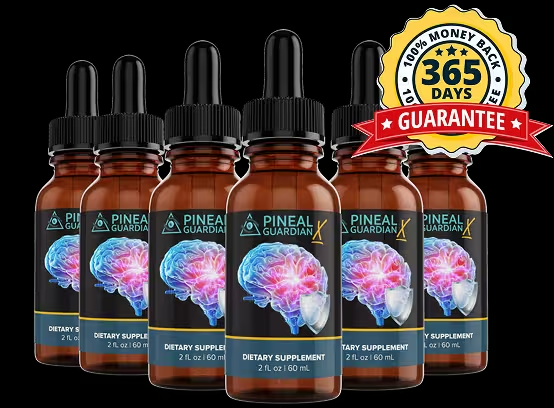
Pineal Guardian X
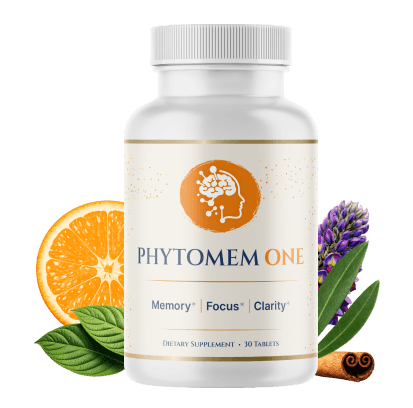
Phytomem One
Frequently asked questions
Is forgetting names a normal part of aging?
Occasional retrieval lapses can occur with aging, distraction, stress or fatigue. A new, worsening or disruptive pattern should be discussed with a healthcare professional.
Why do I remember a person but not their name?
Names are arbitrary labels and may not be encoded strongly during an introduction. Recognition and other memories about the person can remain available while the name takes longer to retrieve.
When should I seek medical help for forgetting names?
Seek advice when memory changes are new, worsening, affecting daily activities or accompanied by problems with language, navigation, judgment or familiar tasks. Sudden confusion with neurological symptoms needs urgent attention.
Can Neuro Serge treat memory loss?
No. Neuro Serge is marketed as a general brain-health supplement, but it should not be presented as diagnosing, treating, curing or preventing memory loss or another disease.
What is the main limitation of Neuro Serge’s label information?
The sales page describes a proprietary blend and names some ingredients, but it does not provide a complete Supplement Facts panel, serving size or exact ingredient amounts.
Sources reviewed
- Neuro Serge official sales page
- FDA: FDA 101—Dietary Supplements
- FDA: Label Claims for Conventional Foods and Dietary Supplements
Bestpricy may earn a commission if you purchase through a product reference. This does not change our cautious presentation of seller claims, evidence limits, safety considerations or pricing terms.